
Let’s know about the trek: A Complete, Guide for First-Time and Curious Trekkers
If you’ve ever searched “how long is Kedarnath trek”, chances are you’re not just looking for numbers. You’re looking for clarity. You want to know if you can do it, how tough it really is, and what kind of journey waits for you on that mountain trail.
The Kedarnath trek is not just about distance or hours it’s about endurance, emotions, unpredictable weather, aching legs, quiet moments, and a strange sense of peace you don’t expect to find and maybe a little belief in god. Whether you’re a believer, a nature lover, or someone who simply wants to challenge themselves, this trek leaves a mark. Its not just a trek but something that will always feel memorable and special in your entire lifetime
Let’s break it down honestly, practically, and in a very natural way.
Distance and Duration: How Long Is Kedarnath Trek?
Before anything else, let’s answer the most common and important question clearly. That will obviously arise in a trekkers mind is how long is Kedarnath trek.
Distance
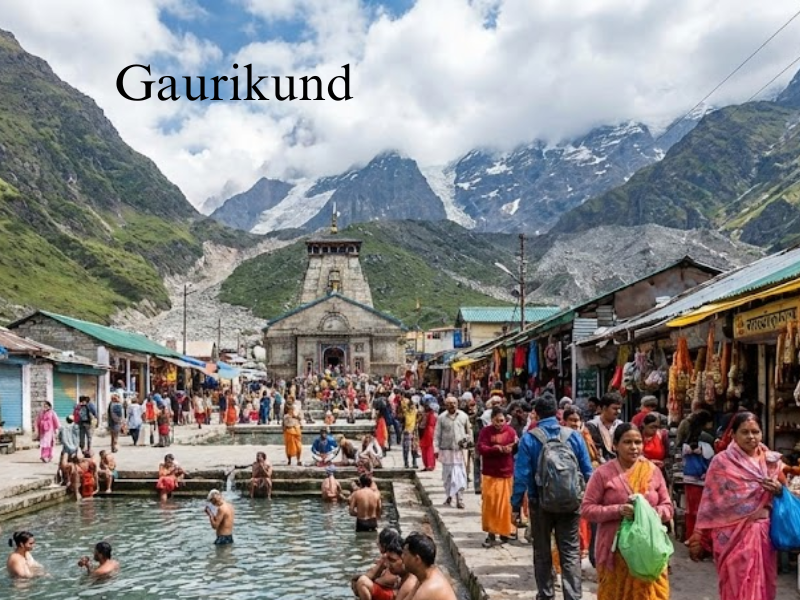
The Kedarnath trek starts from Gaurikund a place know specially for Hindu pilgrims also known for the scared water and ends at the most peaceful Indias glory Kedarnath Temple.
- Total trekking distance (one way): approx. 16–18 km
- Round trip: approx. 32–36 km
The distance may sound manageable on paper, but remember this is a Himalayan trek, not a flat causal morning walk.16-18 may sound accessible but its filled with numerous challenges even a normal trekker gets chills while thinking of the Kedarnath trek.
Duration
How long it takes depends on your fitness, pace, weather, and how often you stop.
- Average time to reach Kedarnath (one way): 6 to 9 hours
- Some first-time trekkers take: 9–12 hours
- Return trek: 5–7 hours (mostly downhill)
Most people complete the trek over 2 days:
- Day 1: Gaurikund → Kedarnath
- Day 2: Kedarnath → Gaurikund
If you’re short on time or physically tired, options like pony, palki, or helicopter are available but trekking gives you the real experience that you carry for lifetime.
Checkpoints in the Trek
The Kedarnath trek is well-marked and divided into clear checkpoints, which also help you mentally prepare to know how much is done and how much remains. So that you can make your estimations on time accordingly.
Key checkpoints include:
- Gaurikund – Starting point
- Jungle Chatti
- Bheem Bali
- Linchauli
- Kedarnath Base Area
- Kedarnath Valley
- Kedarnath Temple
Each stop has small food stalls, tea points, medical help, and resting spots very reassuring when your legs start questioning your life choices.
Checking Weather Is Very Necessary
This is non-negotiable.
Kedarnath weather can change within a eye blink. A sunny morning can turn into cold chilly rain, white powder like fog, or snowfall by afternoon.
- Sudden rain makes the trek path super slippery making it harder to survive
- Cold winds adds on to the supreme difficulty level making you tired more easily.
- White snowy Fog reduces visibility
- Snowfields may appear even in late spring
Always keep a check on the weather forecast a day before and on the morning of the trek. Start early most experienced trekkers begin before sunrise to avoid bad weather later in the day. So its remainder for the first time trekkers to always keep a check on the weather.
Why Choose Kedarnath Trek?
There are hundreds of treks in India. Yet, Kedarnath stands very differently and apart and its not just because of religion or the temple. Kedarnath trek carries a special kind of sprit in it which is filled with chaos, challenges, peace and unpredictable weather making Kedarnath trek special and thrilling.
Open for Only a Short Window, Making It Feel Special
Kedarnath trek is open only between April/May and October/November, depending on weather and other respective factors.
This short window makes it feel rare. You don’t feel like “I’ll do it someday.” It’s either now or next year. That urgency adds meaning to every step.
Tough, but Realistic Even for First-Time Trekkers
This trek is challenging but achievable.
You don’t need to be an athlete or carry a very gym freak body.
You need:
- Basic stamina
- Mental patience to overcome the trek challenges
- Willingness to walk slowly and steadily
Many first-time trekkers, even with no prior experience, complete it successfully. The trek teaches you how strong you actually are.
More Than Views It Leaves an Emotional Mark
Yes, the mountains are beautiful. But the real impact comes from:
- Walking in silence
- Seeing strangers cheer each other
- Sharing tea with someone you’ll never meet again
- Feeling small yet strong at the same time
The trek humbles you. And that feeling stays long after the soreness fades.
It’s Less About Belief, More About the Challenge That Lets Your Spirit Meet God on the Way
You don’t have to be deeply religious.
For many, Kedarnath is about:
- Trusting your body
- Facing discomfort and challenges
- Letting go of control and realizing how strong you actually are
Some people find God. Others find clarity in life. Some just find quiet and peace and calm and that’s enough.
Major Attractions of Kedarnath Trek
This trek is a journey through constantly changing landscapes.
Gaurikund
The starting point of the trek, Gaurikund is known for its hot water springs. Most trekkers take a moment here to pray, stretch, or simply breathe before beginning the climb. Gaurikund is a place actually know for its scared water even many travalers and pilgrims stop here just to take a bath. Which is basically inspired by goddess Parvati named Gauri.
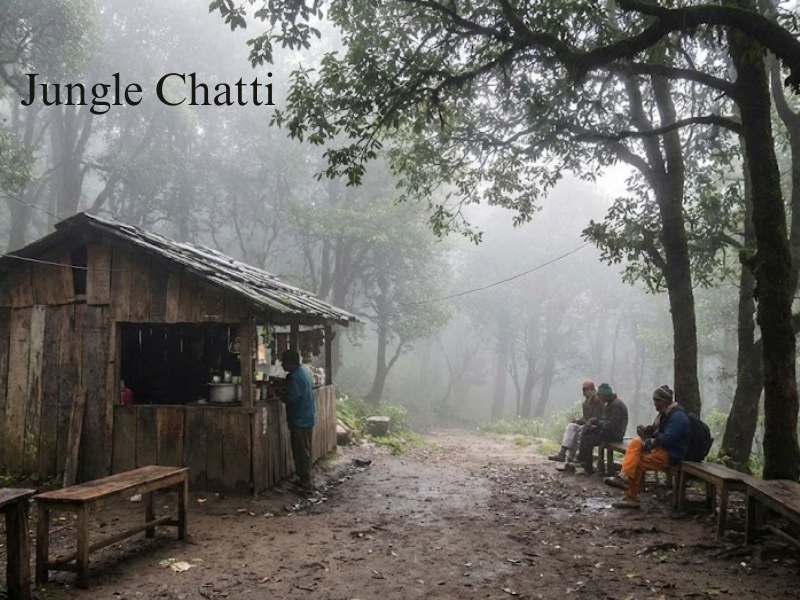
Jungle Chatti
This area is surrounded by forests and waterfalls. The air feels fresh, the path narrows, and the sound of water keeps you company in your trek. It’s where the trek starts feeling real and a bit challenging now.
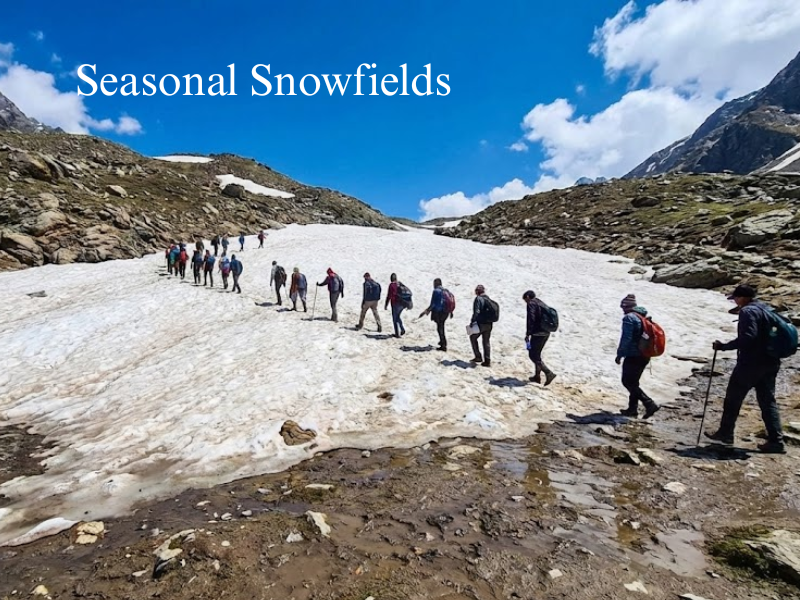
Seasonal Snowfields
Depending on when you go, you might walk alongside snow patches or even cross snow-covered areas. These moments feels magical especially for first-time trekkers.
Kedarnath Valley
Wide, dramatic, and powerful. The valley opens up slowly, and suddenly you’re surrounded by towering peaks. This is where fatigue quietly turns into awe.
Kedarnath Temple
After hours of walking trekking, the temple appears simple, strong, and silent against the mountains. Whether you believe or not, standing there feels grounding. Suddenly life feels sorted everything just start making sense.
Things to Consider While Packing for Kedarnath Trek
Packing smart can make or literally break your trek.
Extra Warm Clothes
Even in summer, temperatures drop sharply can make the need for the warm clothes.
Carry:
- Thermal layers
- Fleece or down jacket
- Woollen cap and gloves
Cold in Kedarnath is real never underestimate it.
Waterproof Bags and Raincoat (Weather Is Unpredictable)
Rain can come without warning you.
- Waterproof backpack cover
- Light rain jacket or poncho
- Dry bags for phone and documents
Getting wet at high altitude is uncomfortable and risky.
Power Banks (Of Course You Won’t Find Any While Trekking)
Electricity is limited.
Carry:
- 1–2 fully charged power banks
- Keep phone on low battery mode
You’ll want your phone for emergencies, not scrolling.
Your Medication + Extra Tip: Carry Protein Bars and ORS
This is very crucial.
- Personal medicines
- Pain relief spray
- ORS for dehydration
- Protein bars, dry fruits and chocolates
Food stalls exist, but your body needs quick energy.
Good Shoes and Required Documents
- Well-gripped trekking shoes (no brand-new shoes)
- ID proof
- Yatra registration slip
Your shoes will decide how much you enjoy or suffer this trek.
Best Time to Visit Kedarnath
The best months depend on what you’re comfortable with.
- May–June: Pleasant weather, busy season
- September–October: Clear skies, fewer crowds, colder nights
- July–August: Monsoon—beautiful but risky due to landslides
For first-time trekkers, May, June, and September are ideal.
FAQ’s
Q1: Do I need permits for Kedarnath Wildlife?
Indian visitors do not require any special permits to visit and are only charged a minimal entry fee of Rs 150 at various checkpoints like Sonprayag.
Q2 : How many days are enough for Kedarnath Wildlife?
A trip lasting two to three days is perfect for a great time.
Q3 : Is Kedarnath Trek very difficult?
Yes, the Kedarnath trek is rated as moderate to difficult, particularly if you are a beginner, mainly because of the high altitude factor.
Q4 : Is Kedarnath Trek safe
Yes, Kedarnath is in most cases safe for pilgrims. This is particularly true during the official yatra season between May and October when the weather is quite stable and the infrastructure is regularly checked by the authorities.
Q5 : Which mobile network works in Kedarnath?
BSNL is the most reliable mobile network in Kedarnath, especially for voice calls