
let’s go to Varanasi, Uttar Pradesh;
Varanasi isn’t a destination you simply visit. It’s a place you arrive at emotionally sometimes gently, sometimes you feel all at once. One moment you’re watching life unfold on the ghats, the next you’re standing still, unsure why your chest feels heavy and calm at the same time.
Time behaves differently here. Days don’t rush like cities it always start with peace. Nights don’t hurry to end they are really calming and peaceful. And seasons don’t just change the weather they change how Varanasi feels, how it smells, how it speaks to you.
So when to actually visit Varanasi?
The honest answer: it depends on how and what you want to experience it.
Let’s decide season by season.
Let’s Decide This Season-Wise
Summer (March to June)
Summer in Varanasi is intense. Temperatures often climb above 40°C, and the heat doesn’t hold back. Streets feel slower, afternoons quieter, and the sun harsher than most places in North India.
But here’s the thing—summer also shows you Varanasi in its most raw and unfiltered form.
“Early mornings are still magical and vibrant. The ghats are calm yet stunning in their own way; moreover, the Ganga reflects soft sunlight, and consequently, the city feels almost meditative before the heat takes over.Locals adapt effortlessly life continues, just at its own pace.
Summer is also ideal if:
- You prefer fewer tourists
- You want to enjoy quiet mornings
- You don’t mind heat in exchange for authenticity and experiences.
Just plan your days wisely and clearly. Explore early mornings and evenings, rest in the afternoons, and stay hydrated.
Winter (November to February)
“If there’s a season most travelers agree on, it’s, without a doubt, winter.”
Winters in Varanasi are gentle, with cool mornings, pleasant afternoons, and slightly chilly evenings. Fog that covers the ghats at sunrise, making the river feel magical and unreal.
This is when Varanasi feels soft, poetic, and deeply atmospheric.
There is a peculiar sense of calm as you walk in the narrow lanes of Varanasi. There’s no sense of urgency, no pressure just the gentle pleasure of losing yourself and letting the city take the lead. And when you sit by the ghats for hours, time doesn’t seem to tick away instead, it flows effortlessly, as it tends to elsewhere in India. Furthermore, evening aartis are crowded, but they are, nonetheless, unforgettable
Winter is perfect if:
- You want comfortable weather
- You want to attend rituals without exhaustion
- You enjoy slow walks in the streets of Varanasi and long boat rides
It’s also in peak season specially to travel, so expect crowds and chaos but in Varanasi, crowds somehow still feel personal and heartwarming.
Monsoon (July to September)
Monsoon transforms Varanasi into something quieter, greener, and deeply emotional.
Rain washes the ghats, the river swells, and the city feels introspective. Some boat rides may be limited due to water levels and seasonal temperatures, but the mood oh, the mood is unmatched and unreal.
There’s a softness in the air, a reflective silence between showers. Streets just glitter up’s. Life feels slower, heavier, and honest.
Monsoon is ideal if:
- You enjoy solitude and mood over movement
- You don’t mind occasional disruptions due to its weather.
- You want to see Varanasi beyond postcards
Just pack the right rain gear and a flexible itinerary. And more important plan a longer trip so even if somethings goes wrong you have enough time to travel.
Autumn (October)
Autumn is a beautiful transition period. The rains starts to fade, the humidity settles, and festivals begin to light up the city.
Weather is pleasant, the river is full, and energy slowly builds toward winter. It’s a balanced season neither too crowded nor too quiet.
Autumn suits travelers who:
- Want good weather without peak crowds
- Enjoy festivals and cultural energy of Varanasi
- Prefer balance in pace and comfort and demands peace
If You Are Visiting, These Are the Best Places to See in Varanasi
Manikarnika Ghat
Manikarnika Ghat
This is not a sightseeing spot. This is a truth you witness.
Manikarnika Ghat is where life and death coexist without drama. Funeral pyres burn continuously, reminding you quietly but firmly of impermanence. It can feel overwhelming at first, but many travelers leave feeling strangely grounded.
Come with respect. Leave with perspective.
Assi Ghat
Assi Ghat
Assi Ghat feels welcoming, almost conversational. It’s where travelers, locals, students, and seekers naturally mix.
Mornings here are peaceful yoga sessions, soft chants, boats gently drifting by. It’s a good place to start your Varanasi journey, especially if you want to ease into the city’s intensity.
Nepali Ghat
Nepali Ghat
Quiet and slightly overlooked, Nepali Ghat carries a different architectural feel, influenced by Nepali design.
It’s less crowded, making it ideal for those who prefer stillness and less crowd. Sit here, observe the river, and let thoughts wander without any interruption.
Durga Kund Mandir
Durga Kund Mandir
Painted in striking red, Durga Kund Mandir stands out differently. Dedicated to Goddess Durga, the temple holds deep spiritual importance for locals. And gives travelers the opportunity to learn from the place and locals, as the locals actually known the importance about the Kund Mandir.
Even if you’re not religious, the devotion here is moving. Faith isn’t loud it’s steady.
Alamgir Mosque
Alamgir Mosque
Overlooking the Ganga, but don’t forget this mosque reflects Varanasi’s layered history. The view from here is expansive and calm, offering a different perspective of the city.
It’s a reminder that Varanasi isn’t just spiritual it’s historical, cultural, and beautifully complex. Alamgir Mosque will tell you the true beauty of India.
Slow Down a Little. Feel a Lot. That’s Varanasi.
Morning Aarti
Morning aarti is subtle and intimate. The city wakes slowly. Bells ring softly. The river feels calm and forgiving.
It’s not about spectacle it’s about presence.
Evening Aarti
Evening aarti is powerful. Flames rise, chants grow louder, and hundreds gather in silence.
It’s overwhelming in the best way. You don’t need to understand the ritual you’ll feel it.
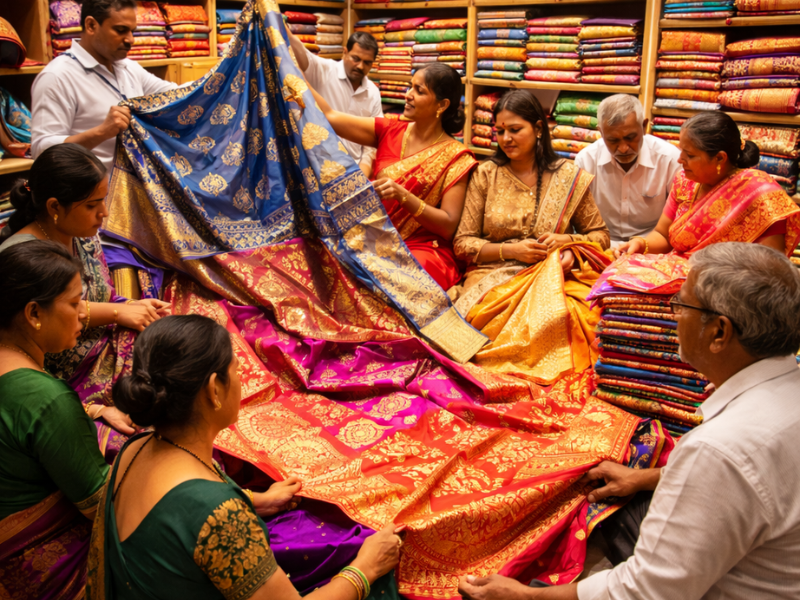
Shopping for Banarasi Silk
If you are visiting Varanasi you just can’t miss on the Banarasi silk. As it isn’t just fabric it’s heritage of true India woven into threads.
Walk through local lanes, speak to weavers, and understand the time and patience behind every saree. Even if you don’t buy, the stories stay with you.
Don’t Miss Out on Boat Ride
A boat ride on the Ganga especially at sunrise or sunset changes how you see Varanasi.
From the river, everything makes sense.
Ramnagar Fort
Ramnagar Fort
Standing across the river, Ramnagar Fort carries royal echoes. It’s quieter, less polished, and deeply atmospheric perfect for history lovers.
You May Visit Anytime, but These Temples Are a Must
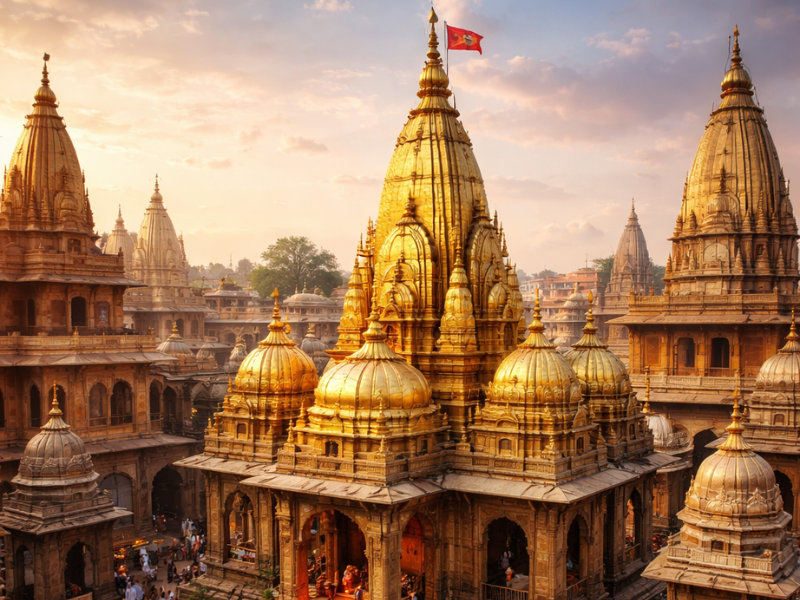
Kashi Vishwanath Temple
Kashi Vishwanath Temple
If you are one of those people who believes in the immense history and devotion for Lord Shiva then it’s a must visit. Expect crowds, devotion, and emotion packed into narrow lanes.
MaaAnnapurna Temple
Maa Annapurna Temple
A symbol of nourishment and abundance. Simple, powerful, and comforting.
Kal Bhairav Temple
Kal Bhairav Temple
Believed to be the guardian of the city. The energy here feels intense, protective, and deeply rooted and powerful.
Bharat Mata Mandir
Bharat Mata Mandir
A temple dedicated to Mother India without idols, only a map. Unique, thought-provoking, and quietly patriotic.
If You Are Visiting, Don’t Miss Out on This Food
Banarasi Paan Is a Must
To be honest you should not miss out on Banarasi Paan. It’s tradition, habit, and ritual all folded into one bite. Sweet, strong, unforgettable. The famous Banarasi paan include betel leaf, slaked lime also known as chunna ,areca nut (supari), and a mix of sweeteners (gulkand, dates) and spices (cardamom, fennel)
Thandai – A Drink That Feels Surreal
Creamy, spiced, and refreshing. Best enjoyed slowly, preferably after a long walk. It’s the best way to start your Varanasi day. And enjoy the joyful blend of flavours.
Authentic Varanasi Chaat
Banarasi chaat is bold, tangy, spicy and unapologetic. Every bite surprises you. Every bite tells you a new story about Indian spices.
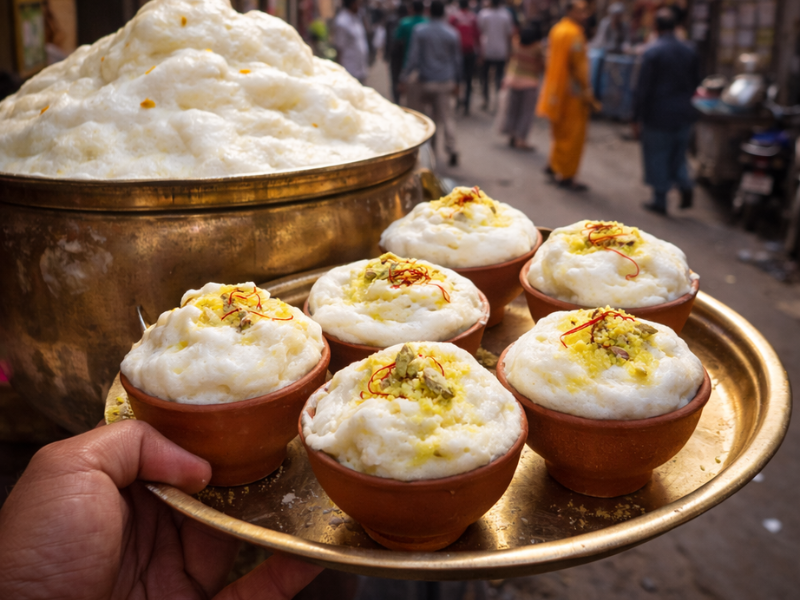
Malaiyo – An Iconic Sweet
Available only in winters of varanasi, malaiyo melts before you can fully understand it. Light, airy, magical just like Varanasi itself.
FAQ’s
Q: How much time is needed for Kashi Vishwaknath Darshan?
Kashi Vishwanath Darshan time ranges from as low as 15 minutes with a VIP/Sugam Darshan pass to as long as 2 to 3 hours or more with general entrance
Q: What is the cost of VIP Darshan in Kashi Vishwanath Temple?
The cost for darshan at the Kashi Vishwanath Temple varies, but the cost of the VIP (Sugam) Darshan costs approximately ₹250-₹300
Q: How affordable is Varanasi for the budget traveler?
Absolutely, it is one of the most affordable destinations in India. Money can be easily managed for a 5-day trip; it can be done within ₹15,000. Street food is also a great feature of the place; ghats are also free to visit. All my trips to this beautiful place have been budget-friendly, and planning is the key.
Q: How to reach Varanasi cheaply?
The best way to reach Varanasi on a budget is trains. I always take trains. Train tickets cost as little as 300-500 INR from Delhi in sleeper class, taking 12-14 hours. Buses from nearby cities like Lucknow take 6-7 hours and cost 300-400 INR. I usually take an overnight train so that I do not have to pay an additional night’s hotel cost.