
Mauritius might be small in size on the world map but the impression it gives is quite the opposite. the feeling it leaves behind is anything but. For many travelers, it’s a name associated with waters, luxury resorts, and postcard beaches. But before you plan the sunsets and swims, there’s a simple question worth answering properly: where exactly is Mauritius located? Understanding its location helps you appreciate why the island feels so culturally rich, why its landscapes are so diverse, and modify and why it holds a unique place in the Indian Ocean. Let’s gently place Mauritius on the map and then walk our way through everything that makes it special to us to travel.
Where Exactly Is Mauritius Situated
Mauritius is an island nation located in the Indian Ocean, far from the noise of continents but deeply connected to many of them. It sits quietly, surrounded by endless blue, yet carries layers of history, cultures, and influences shaped by centuries of travel and trade.
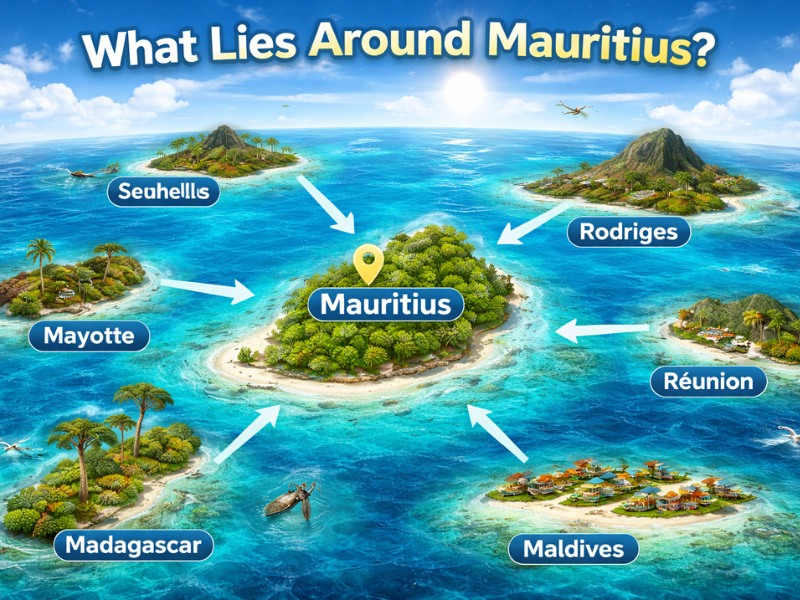
Geographically, Mauritius lies east of Madagascar and off the southeastern coast of Africa. The island is part of the Mascarene Islands, along with Réunion and Rodrigues, and is known for its wonderful volcanic origins, which explain its dramatic mountains and fertile land.
Despite being small in size, Mauritius feels complete beaches, forests, waterfalls, cities, villages, and far-flung islets all coexist in harmony.
Which Continent Is Mauritius Part Of?
This question is probably one that everyone asks and the answer ends up su rprising quite a few. Mauritius is considered part of Africa, even though it’s located in the Indian Ocean and feels culturally global. Politically and geographically, it belongs to the African continent, and it is also a member of the African Union. That said, Mauritius doesn’t feel “only African.” Its identity is beautifully blended African roots with Indian traditions and European influences, and Chinese heritage all exist side by side. This multicultural mix is one of the reasons Mauritius feels so welcoming and familiar, no matter where you come from
What Surrounds Mauritius?
The island of Mauritius is almost entirely surrounded by coral reefs, which not only protect its lagoons but are also responsible for the calm and shallow waters the island is widely known for. Outside the reefs, the Indian Ocean is vast and has no end in any direction.
Nearby places are: Madagascar, about 900 km to the west Runion Island, a French overseas territory, to the southwest Rodrigues Island, which also forms part of Mauritius, is further east This seclusion is one of the things that make the island so enchanting. Being surrounded by water has helped preserve the islands natural beauty, relaxed lifestyle, and overall tranquility
How Far Is Mauritius from India?
For Indian travelers, Mauritius feels both exotic and emotionally familiar and the distance plays a role in that balance.
Mauritius is approximately 4,600–5,000 km from India, depending on your departure city. Direct flights from cities like Mumbai or Delhi usually take 6 to 7 hours, making it a comfortable long-haul journey.
Despite the distance, Indian influence is deeply woven into everyday Mauritian life from food and festivals to language and traditions making Indian travelers feel instantly at home.
Let’s Put Our Way Through Mauritius
Once you know where Mauritius sits on the map, the next step is exploring how the island unfolds when you travel through it. Mauritius is compact, but every region has a distinct personality.
North Mauritius Tour
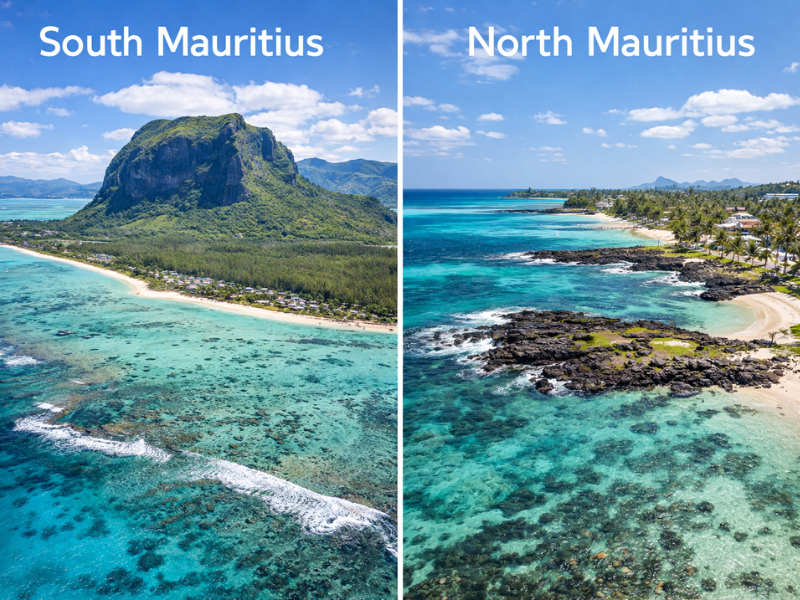
The north of Mauritius is lively, social, and full of energy. Here is where you can get access to very well, known beaches, lively towns, as well as the best nightlife of the island.
Grand Baie is the heart of the north a place where cafés spill onto the streets, boats bob in the harbor, and evenings stretch longer than planned. Beaches here are bright, welcoming, and perfect for swimming, snorkeling, or simply doing nothing at all.
North Mauritius is ideal if you enjoy movement, people, and a little excitement mixed into your beach days.
South Mauritius Tour
If the north is lively, the south is soulful.
South Mauritius feels raw and untouched. The coastline is dramatic, the waves stronger, and the landscapes greener. If you are a traveler who enjoys quiet time, long car rides, and nature that seems untouched then this part of the island would be great for you.
Here, you’ll find cliffs meeting the ocean, hidden viewpoints, and villages that still move at their own pace. The south reminds you that Mauritius isn’t just about beaches it’s about balance.
Visiting Port Louis
Port Louis, the capital city, offers a completely different side of Mauritius Its a lively, colorful place, and the sense of reality is strong.
Markets are full of life with the sounds and smells of spices, streets are leading the way with the rhythm of everyday life, and you can find colonial buildings next to modern shops. Go to the Central Market, take a stroll by the waterfront and see how different cultures are merging here without any effort.
Port Louis may not be quiet or polished but it’s honest, and it helps you understand Mauritius beyond the resort walls.
Explore the Waterfalls
Few people expect Mauritius to have waterfalls but once you see them, you won’t forget them.
Chamarel Waterfall, Tamarind Falls, and Rochester Falls are surrounded by lush greenery and volcanic rock formations. These spots feel refreshing, grounding, and deeply calming.
Standing near a waterfall in Mauritius reminds you that this island isn’t just shaped by the ocean it’s shaped by rain, forests, and time.
Exploring the Islands
Mauritius isn’t just one island it’s a collection of beautiful escapes from your busy life. le aux Cerfs, le aux Aigrettes, and the smaller islets around them offer crystal, clear waters, coral reefs, and quiet beaches. A boat ride of just a few minutes can take you to land where life feels slower and simpler.
These islands are ideal for day trips, snorkeling, and quiet moments when it seems that time does not exist.
Doing a Mauritius Trip? You Need to Explore the Famous Cuisine
Mauritian food tells the island’s story better than any museum. Every dish reflects a mix of cultures — Indian, Creole, Chinese, and European blended into flavors that feel comforting and exciting at the same time.
Rougaille
Rougaille is a Creole dish that is most often associated with the island of Reunion, but it is also very popular in Mauritius and the Seychelles. The name comes from the French word “rouge” which means red and “aille” which means little, so it means little red sauce. The base of the dish is a tomato, onion, garlic sauce which is then spiced up with some hot pepper, thyme, and other seasonings. You can use
Mine Frite
Mine frite is Mauritius’ version of fried noodles, influenced by Chinese cuisine and culture. You’ll find it everywhere from street stalls to small restaurants.
Quick, flavorful, and satisfying, it’s the kind of food you crave after a long day of exploring and enjoying.
Dholl Puri
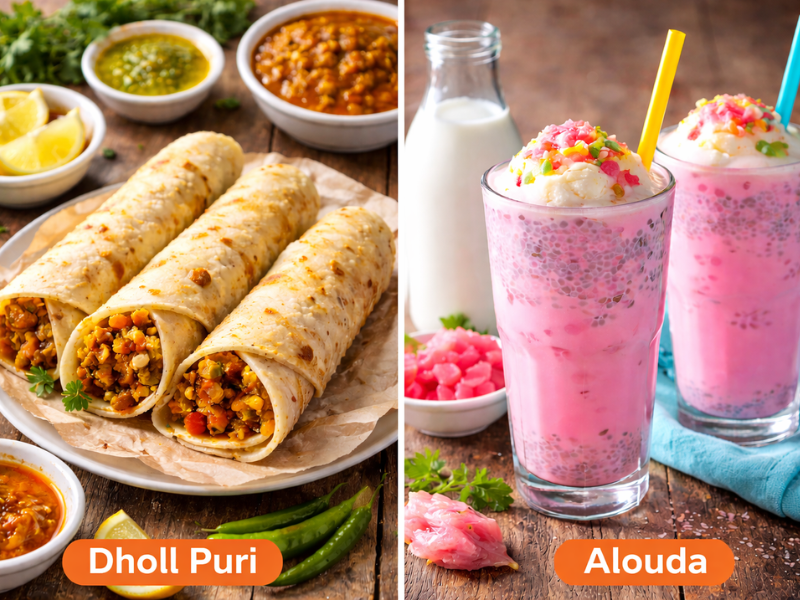
Dholl puri isn’t just food it’s an experience of culture.
Thin flatbreads stuffed with yellow lentils, served with chutneys and curries, dholl puri is the island’s most loved street food. You’ll see locals lining up for it, which tells you everything you need to know.
Alouda
Alouda is a sweet, milky drink with basil seeds and jelly, perfect for cooling down in the tropical heat. It’s light, refreshing, and surprisingly comforting.
Boulettes
Boulettes are Mauritian dumplings, usually served in a clear broth or with noodles. Soft, delicate, and full of flavor, they’re a reminder of the island’s Chinese roots.
Poudine Maïs
This traditional corn pudding is simple, slightly sweet, and deeply local. It’s the kind of dessert that doesn’t try too hard and that’s exactly why it works.
New Trip, New Learnings
Mauritius isn’t just a place you visit it’s a place you absorb. Beyond beaches and food, the island quietly teaches you lessons about coexistence, rhythm, experience, life and respect.
Music and Festivals
Music is everywhere in Mauritius sega rhythms float through the air during festivals, gatherings, and celebrations. Festivals like Diwali, Eid, Christmas, and Chinese New Year are celebrated together, not separately.
There’s joy in how naturally traditions overlap here.
Multiculturalism & Religion
Mauritius is one of the best examples of peaceful multicultural living. Temples, mosques, churches, and pagodas exist side by side, often on the same street.
Religion here isn’t about division it’s about identity, respect, and shared space.
Crafts & Symbols
From model ships to handwoven baskets, Mauritian crafts reflect patience and heritage. Symbols like the dodo bird, sugarcane fields, and volcanic mountains appear everywhere quiet reminders of the island’s journey through time.
FAQ’s
Q: Where can I get my Sim cards after landing?
Airport: Upon your arrival at Sir Seewoosagur Ramgoolam International Airport (MRU), you will have the option to purchase SIM cards.
Retail Stores: There are plenty of retail outlets, convenience stores, and official mobile operators’ shops where you can get SIM cards in Mauritius very easily just after landing.
Major shopping malls like Caudan Waterfront and Bagatelle Mall have SIM cards so you can buy from there.
Q: What is money value provided in Mauritius?
The commonly used are Mauritius notes include 25, 50, 100, 200, 500, and 1,000. With notes the coins are provided of Mauritius 1, 5, 10, and 20.
Q: Should I always carry cash or are cards accepted everywhere?
Hotels, restaurants, and many stores accept major credit and debit cards including Visa, MasterCard, and American Express. However, you will have to pay with cash if you want to buy from street sellers or contact local service providers for activities.
Q: When Is the Best Time to Go to Mauritius?
June to October, when the temperature is around 24C and the weather is the driest, is the perfect time of year to visit Mauritius.